special / 10 November 2026 / 6 books
6 Books on Modern Democracy
Though often considered an ancient ideal, democracy in its modern sense is young and still evolving.
Bringing together people of different genders, social statuses, education levels, ages, and nationalities, modern electoral democracy is complex and often contradictory, with obsolete fears of “the tyranny of the dêmos” persisting and fueling misunderstandings about how it should balance popular sovereignty with individualism, consider the principle of all affected interests, and protect all citizens equally.
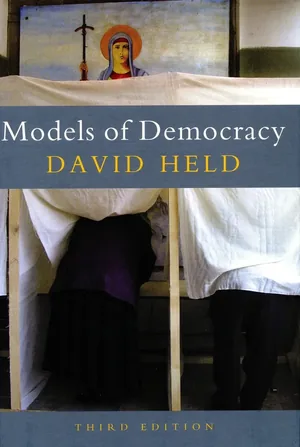
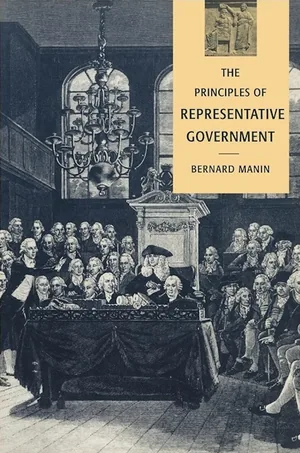
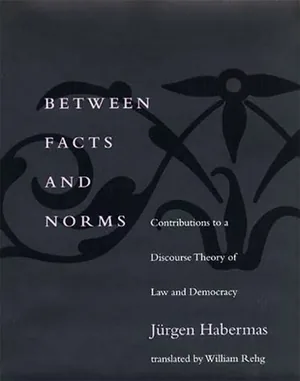
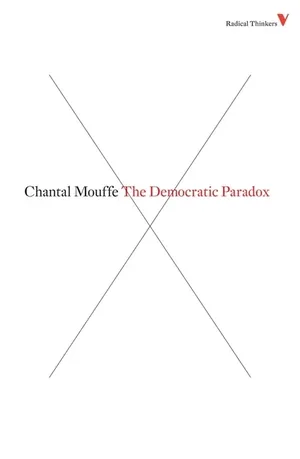
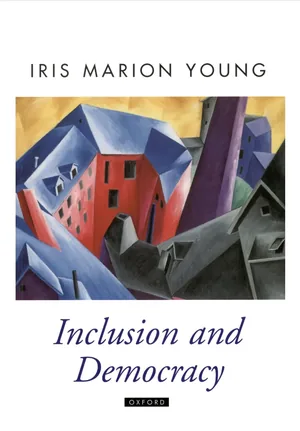
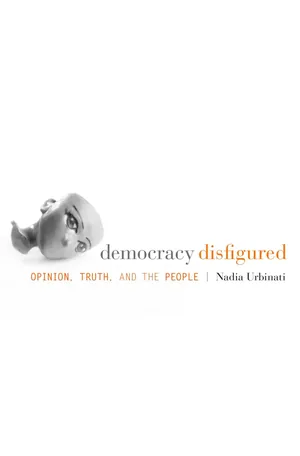
At Isotta, we recommend six books that present competing theories of modern democracy and examine its relationship with liberalism, consensus and conflict, representation, legitimacy, participation, and institutional limits.
This scholarly, rather than media-focused, selection draws on vetted reading lists from Oxford, Yale, Sciences Po, Edinburgh, and Uppsala, while remaining accessible to newcomers.
We recommend reading the books in the order presented. Read together, these works will establish the theoretical framework needed to understand and analyze the contradictions inherent in democratic structures, and to develop a critical approach to the panic that dominates the contemporary media landscape.
Consider this list before pouncing on How Democracies Die by Levitsky and Ziblatt.