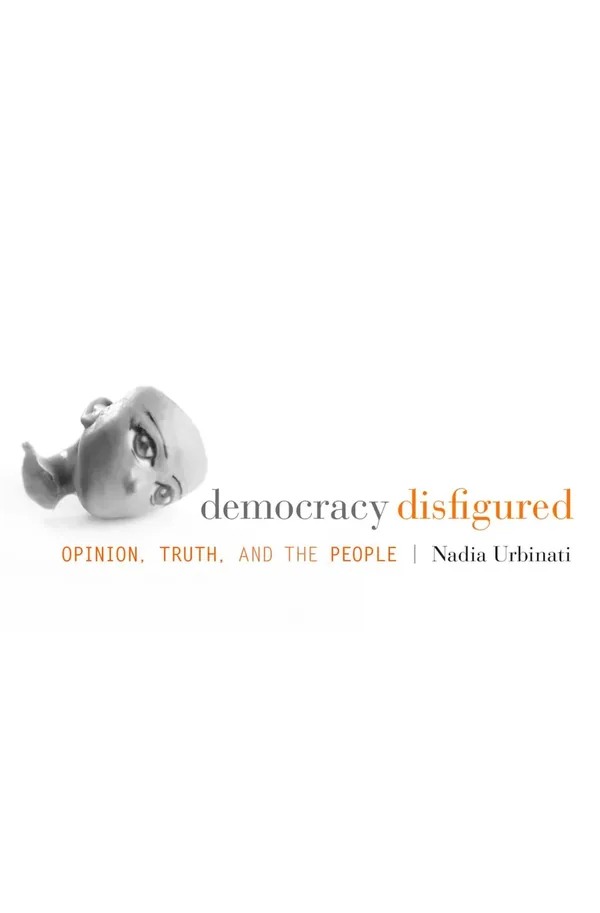
An important work of democratic theory by an Italian political theorist, describing representative democracy as a “diarchy” of will and opinion: citizens exercise political will through institutions, elections, and decisions, while public opinion continuously debates, criticizes, and influences those decisions.
According to Urbinati, democracy depends on neither side swallowing the other: political disagreement, mediation, and changing opinions are features of democratic government, not defects.
The work examines three distortions that can hollow out democracy while preserving elections and representative institutions: apolitical democracy, which favors impartial expertise, procedures, or technocratic judgments over partisan perspectives; populism, which pits an allegedly unified “people” against adversaries, polarizing public life; and plebiscitarianism, which turns politics into a show, casting citizens as spectators or followers rather than active participants.
The work’s most significant conceptual contribution lies in the idea of “disfiguration” rather than a collapse of democracy: a political system may retain elections and democratic vocabulary, but alter the relationships among its institutions and citizens to the point that it becomes substantially disfigured.