By Elena Gnedovskaya, a journalist, translator, and writer, who is interested in rare and niche literature and non-fiction.
Over the past year, I have been surprised by how much advice about Russian literature I’ve seen on social media from literary bloggers in different countries.
Their lists, however, are more or less the same: everyone recommends Tolstoy’s Anna Karenina, Bulgakov’s The Master and Margarita, a couple of Dostoevsky’s books, and maybe some of Chekhov’s prose.
These aren’t surprising. They’re predictable lists that closely align with the limited set of required books Russians themselves read in school. Contrary to stereotypes, today’s Russia isn’t exactly a country of active readers, and this is often evident in the first authors most Russians think of: Pushkin, Gogol, and Dostoevsky usually make up the most frequently mentioned trio. And no one names women writers—not because they weren’t there, but because they were never included in academic programs and therefore are not widely known.
However, if lists were created based on popularity among general readers rather than literary reputation, they would vary significantly across different periods of Russian literary history. This approach would also significantly broaden the range of topics that truly concerned Russian society in the past and still concern it today.
For example, the decade before the revolution, roughly 1907 to 1917, saw a rising interest among Russians in women’s prose that was notably progressive: after the success of Mikhail Artsybashev’s scandalous novel Sanin—published in 1907 as a key manifesto of Russian neo-nihilism—Russian literature entered a dynamic period with a decadent and modernist reactive women’s prose boom.
That phenomenon of the fin de siècle challenged traditional patriarchal realism, with women writers exploring themes such as mysticism, morbid sensuality, demonism (symbolized by la femme fatale), androgyny, and complete individualism.
Among the most popular and scandalous writers were:
- the poet and playwright, the “decadent Madonna” and “Sataness” Zinaida Gippius;
- Lydia Zinovieva-Annibal, the author of the first lesbian novel in Russian literature, Thirty-Three Freaks (published in 1906, with the entire print seized due to the scandal);
- Nadezhda Teffi, who became a satirist in her later years, began her career with psychological and decadent novellas.
And many more.
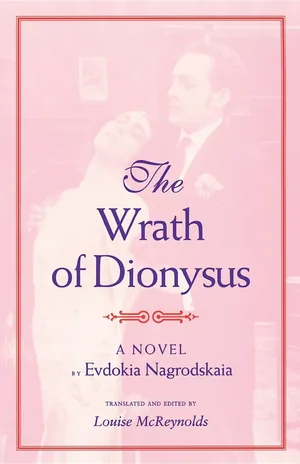
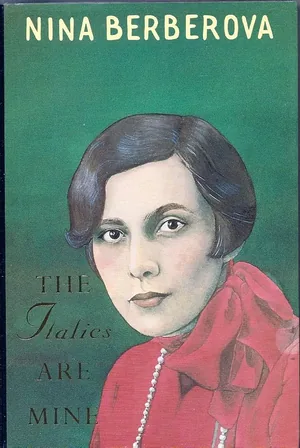
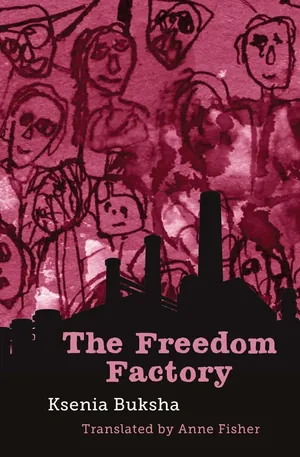
For this issue, I want to recommend three women authors from different eras, writing in completely different genres.