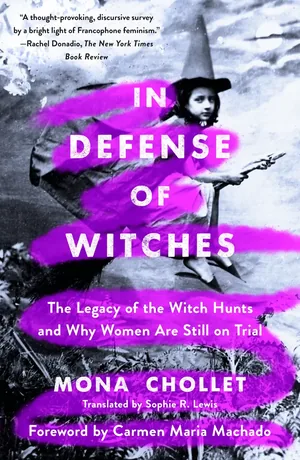
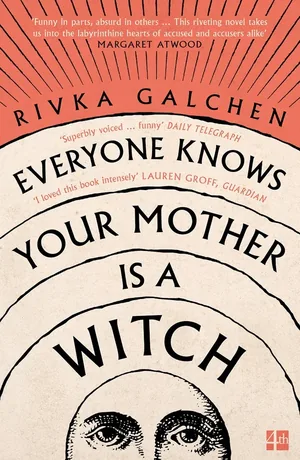
How can a form of collective paranoia—embedded in a population prone to religious fear and submissiveness—simultaneously serve the political agendas of those in power and destroy the lives of individual people? This question is rooted in a historical context that marks one of the darkest chapters in women’s history: during the era of the witch hunts, while entire institutions were engaged in perpetuating violence, only a handful of individuals managed to escape. A real case involving a German herbalist from Leonberg, Württemberg, the mother of the famous astronomer Johannes Kepler, who was herself accused of witchcraft in 1615, could serve as a serendipitous detour in the study of the era of the witch hunts, as condensed in Rivka Galchen’s excellent work of fiction. Conversely, if one wants to delve deeper into the socio-political context of Katharina Kepler’s case, Mona Chollet’s work would be an apt entry point.
connection / 005 ↔ 001
power of rumor
the politics of accusation